the data record of a man
a record is words or data about a man; man kind write it, use it, share it, and correct it;
records must be correct, or hurt, damage, loss may result;
the record
the label Police Force is an example of man kind who collect data; every entry upon the record remains the deed of a man; if the current record is in error, a notice corrects the error; failure to update an incorrect record, may result in hurt, damage, loss to the man;
- man collects data
- Police record is incorrect
- error is noticed
- record is not corrected
- Police record is used
- result is hurt, damage, loss
- the man who controls the records did partake
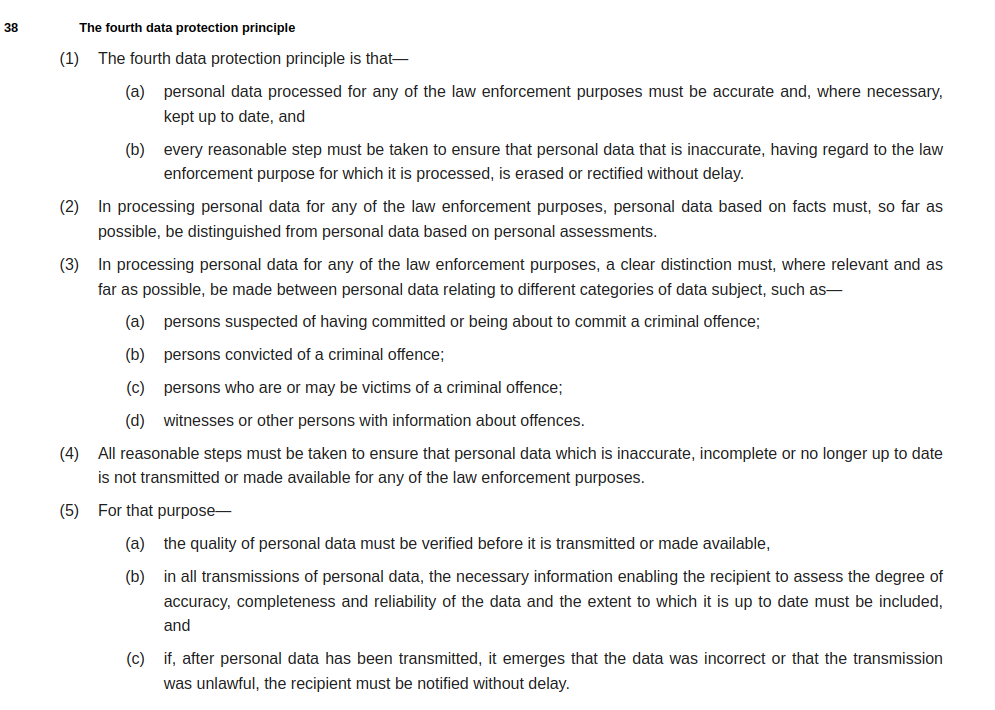
your accuracy rule
the UK GDPR governs general processing; Part 3 of the Data Protection Act 2018 governs processing for a law-enforcement purpose; each requires accurate data and correction without undue delay;
your rules place responsibility upon the office of controller; in fact, it is a man who enters, maintains, uses, corrects, or withholds correction of the data;
notice to correct the record
a request may be made by any verbal or written route that reaches the organisation; no prescribed form or words are required; the request must be recognised and recorded when received; where they have reasonable doubts, they may ask for proportionate information to locate the record or confirm who the man is; once established, the request must be handled accordingly;
source; ICO, right to rectification: recognising a request;
law enforcement; ICO, right to rectification: verbal or written requests; Data Protection Act 2018, section 52;
from receipt, every use of the record must make clear which data are current, historical, derived, or disputed; the source, status, and purpose must be clear;
correction
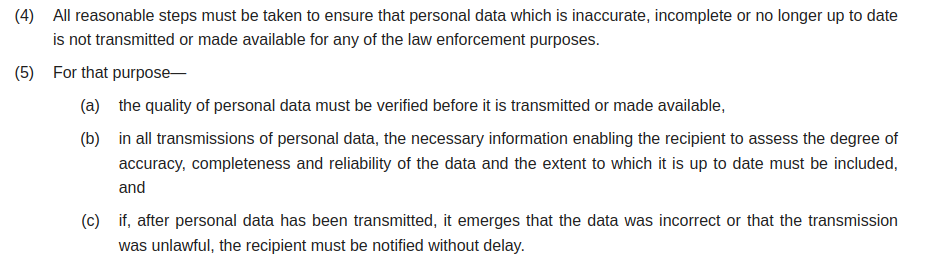
an inaccurate entry may begin as a mistake; a notice makes the deed of correction due; later use of false data is a fresh deed, the root of which may lead to deceit or evern fraud; this would be wrong doing, and the man who controls the records, a partaker;
conclusion
fact: a man claims a role to enter data, control, monitor, receive notice, correct, and answer for the data he shares;
a false record can be the cause of hurt, damage, loss; the man who claims the role of keeping records, has the burden of deeds that stem from false data; once the inaccuracy is known, if he leaves the record in use, he partakes in every later deed done by use of that record; he can not hide behind a mask;
source links
ICO: accuracy; ICO: rectification; ICO: law-enforcement rectification; DPA 2018: accuracy; DPA 2018: correction;